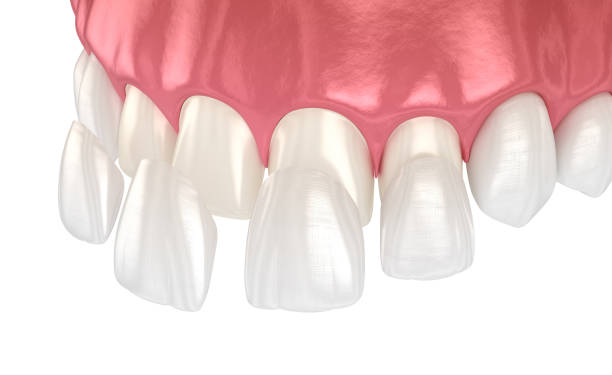
No, porcelain veneers do not damage your natural teeth when placed correctly by a skilled dentist. The truth is that your teeth stay healthy underneath the porcelain veneers near you. However, the process does involve removing a thin layer of your tooth surface, which is permanent. You may ask, “Do veneers ruin your original teeth”? This is why finding a trusted dental clinic near you matters so much. The good news is that with proper care and the right professional handling, your natural teeth can remain strong and protected for many years beneath your beautiful new smile.
Understanding What Happens to Your Teeth
When you get veneers, your dentist at a dental clinic in Harmony removes about half a millimetre of tooth enamel from the front. This might sound like a lot, but it’s actually quite small. Think of it like sharpening a pencil—you remove a tiny bit to make it work better. Your tooth doesn’t become damaged during this process. Instead, it’s being prepared for a protective shell. The veneer itself then covers and shields what remains of your tooth. Many people wonder about the safety, and that’s why understanding how to protect natural teeth with veneers is so important before you decide to get them.
Why Teeth Need This Preparation
Your dentist removes that thin layer for a specific reason. Veneers are about the thickness of a contact lens. If your dentist didn’t remove any tooth structure, the veneer would sit on top and make your tooth look too thick or bulky. Your smile would look unnatural. By removing that small amount, the new veneer sits flush with your other teeth. This keeps your bite aligned correctly. It also means the veneer bonds better to your tooth. A stronger bond means your veneer stays in place longer and works better.
The Real Risk: Poor Placement or Neglect
The actual danger comes from two things: poor-quality work and not taking care of your teeth afterward. If a dentist removes too much tooth structure, your tooth becomes weaker. If they don’t prepare it properly, the veneer might fall off or look bad. This is why choosing an experienced professional matters. Furthermore, if you fail to brush and floss around your veneers, decay can develop underneath. The actual problem is this concealed decay. As the development is not something you can see, it may worsen before you see it. Maintaining good oral hygiene is the best line of defence. Understanding the cosmetic dentistry veneers safety guide will help you understand what to expect and how to keep yourself safe.
How Your Teeth Stay Protected
| Protection Method | How It Works | Why It Matters |
| Proper bonding | Veneer sticks securely to prepared teeth. | Prevents bacteria from getting underneath |
| Regular brushing | Removes plaque around veneer edges | Stops decay before it starts |
| Flossing daily | Cleans between teeth and veneer line | Protects the area where tooth meets veneer |
| Avoiding hard foods | Prevents stress on the veneer | Reduces pressure that could crack it |
| Regular checkups | A dentist monitors tooth and veneer health | Catches problems early |
| Wearing a night guard | Protects teeth if you grind at night | Prevents damage from teeth clenching |
What Happens Under Your Veneer
Your natural tooth structure remains intact underneath. The veneer is simply a cover. Your tooth continues to be alive and healthy. It still has nerves and blood flow. It can still respond to temperature changes. This is completely normal. The veneer protects it from staining and damage. Think of it like putting a clear coat of paint on wood—the wood underneath stays the same, but it’s now protected. Your tooth doesn’t become “weaker” just because a veneer is there. In fact, many dentists believe the veneer helps protect your tooth from damage.
Common Concerns About Veneer Safety
Will my tooth decay under the veneer?
Decay can only happen if bacteria get underneath, which occurs through poor oral hygiene or a badly fitted veneer. Keeping your mouth clean stops this completely. Your dentist will also check for decay during regular visits.
Can I get the veneer removed later?
Yes, you can. However, because your original tooth was prepared, you would need to replace it with something else or live with a slightly thinner tooth. This is why veneers are considered a long-term decision, not a temporary one.
Do veneers ruin your original teeth forever?
The preparation is permanent, but “ruined” is too strong a word. Your tooth remains functional and healthy. It simply cannot return to its original shape. This is something to consider before you decide to get veneers, but it doesn’t mean your tooth is damaged or unsafe.
The Importance of Professional Care
The person who places your veneer critically affects your veneer’s safety. A knowledgeable cosmetic dentist is aware of precisely how much tooth to remove. They comprehend bite and alignment. High-quality materials are used. They use effective bonding procedures. A careless or inexperienced dentist might take away too much tooth. They could incorrectly bond the veneer. Researching your provider is just as important.
Search for someone with verified experience. Verify images before and after each phase. Read other patient reviews. Search for porcelain veneers in Harmony that complement your natural smile; you’ll want a trustworthy professional who is more than competent.
Taking Care of Your Veneers
Once your veneers are placed, caring for them is straightforward. Brush twice daily with a soft toothbrush. Use a non-abrasive toothpaste. Floss every day, being gentle around the veneer edges. Avoid chewing ice, hard candy, or other hard objects. Don’t use your teeth as tools. Wear a mouthguard if you play sports. If you grind your teeth at night, ask your dentist about a night guard. Visit your dentist every six months for checkups. These simple habits keep your veneers and natural teeth healthy for years.
The Long-Term Picture
Most porcelain veneers last between 10 and 15 years. Some last even longer. During this time, your tooth underneath remains protected and healthy. The veneer does its job of covering and shielding. When they need replacement, you would get new veneers placed over your prepared teeth. Your dentist can do this multiple times throughout your life. The tooth itself doesn’t become progressively damaged with each replacement. This is different from what many people worry about.
Your Smile’s Future Starts with the Right Team
At Harmony Family Dental Care, we understand that deciding to get veneers is a big choice. That’s why we take time to talk with you about everything—the good parts and the parts you need to think carefully about. We explain what we’re doing step by step. We answer all your questions honestly. Whether you’ve been thinking about veneers for years or just started wondering if they might be right for you, we’re here to guide you with real expertise and genuine care. Come talk with us, and let’s create a smile that’s beautiful, healthy, and truly yours.
Frequently Asked Questions
How long do porcelain veneers last if cared for properly?
Most veneers last 10-15 years, and some last even longer with good maintenance and regular dental visits.
Will I feel any pain when my teeth are prepared for veneers?
The area is numbed with anesthesia by your dentist, so although you may feel some pressure or vibration, you shouldn’t feel any pain.
Can you still drink red wine or coffee with veneers?
Yes, but limit staining drinks and rinse your mouth afterward, as veneers can stain over time like natural teeth.
What is the distinction between veneers and bonding?
Bonding is less invasive and cheaper but doesn’t last as long, while veneers are more durable but require permanent tooth preparation.